
Householder's Guide to Smarter Living
SDCC has launched A Householder's Guide to Smarter Living. This guide is aimed at helping homeowners and tenants manage their home energy and lower bills. This plain english guide will help you adopt simple daily habits that can significantly reduce your energy consumption. Where to get it: You can pick up physical copies at climate events and local libraries across the county, or read the guide below.
Section 1: Why Energy Awareness Matters
- Saving Money: Learn how small changes in your energy habits can lead to significant savings on your utility bills. Every Euro saved is a Euro in your pocket!
- Comfortable Living: Understanding your heating and ventilation systems ensures your home is always at its most comfortable temperature, without wasted energy.
- A Greener Future: By using energy wisely, you're helping to reduce carbon emissions and combat climate change, creating a healthier planet for everyone.
- Protecting Your Home: Proper use of heating and ventilation systems helps prevent issues like dampness and mould, keeping your home healthy and well-maintained.
Section 2: Understanding New Energy Systems
Heat Pump Systems
What it is: A highly efficient heating system that extracts heat from the air outside to warm your home and provide hot water (also known as an Air to Water Pump System). It uses electricity but produces much more heat energy than the electricity it consumes.
How it works (simply): Think of it like a fridge in reverse! It moves heat from one place to another.
Key Controls:
- Temperature Setting: How to set your desired room temperature.
- Scheduling: How to set different temperatures for different times of day (e.g. warmer in the evenings, cooler at night).
- Turning on/off: How to turn on/off heating and hot water settings.
- Modes: Setting different modes e.g., air heating, hot water, standby, holiday mode.
Top Tip for Heat Pumps: Heat pumps prefer to run at a lower, consistent temperature rather than blasting heat. Try to avoid turning it off completely when you're just out for a few hours. Keeping a background temperature is often more efficient. See ‘Heat Pump Myth Busters’ page for more information.
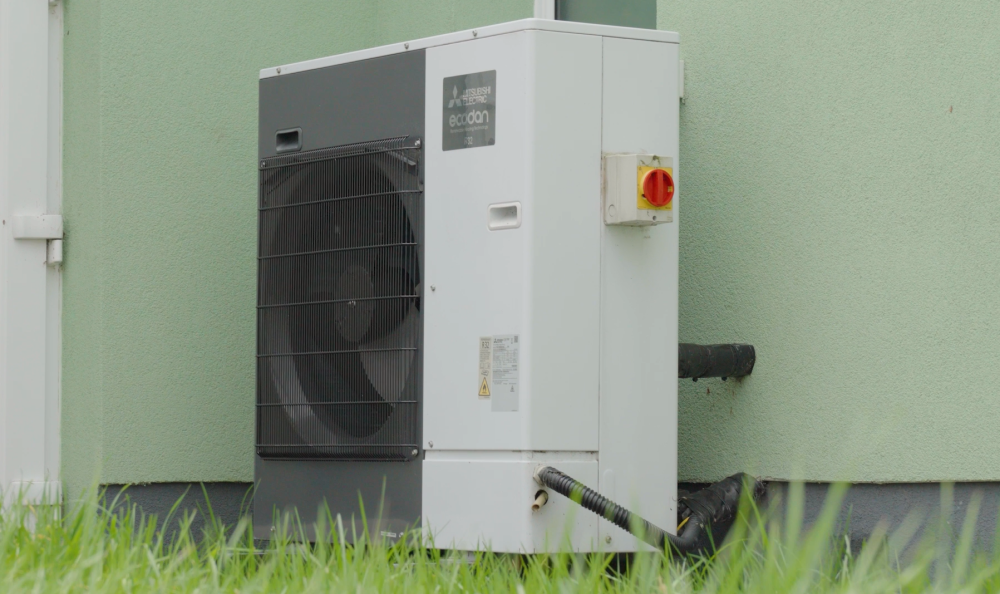
Fig 1: Air to Water Heat Pump
A Solar PV System
What it is: A solar PV (photovoltaic) system is an electrical power system that uses solar panels to convert sunlight into usable electricity for a home or business. It is a clean, renewable energy source that can significantly reduce your reliance on the national grid and lower your electricity bills. In Ireland, a typical domestic system consists of solar panels installed on a roof, an inverter,
and a meter to track electricity generation and usage. Excess energy can also be stored in a battery or used to heat water. Unused electricity generated is sold back to the national electric grid, saving you more money!
How it works (simply): The process of a solar PV system is based on the photovoltaic effect. When sunlight hits the solar panels, the photovoltaic cells within the panels absorb the light's energy and cause electrons to move, creating a direct current (DC) of electricity. This DC electricity is not yet suitable for use in household appliances. A device called an inverter then converts the DC electricity into alternating current (AC) electricity, which is the standard type of power used in our homes. The converted electricity can then be used to power lights, appliances and other electronics, be stored for later use or any unused at home automatically sold back to the national electric grid.
Top Tip for Solar PV: To get the most out of your solar PV system in Ireland, it's crucial to align your electricity usage with the hours of daylight. While solar panels still work on cloudy days, they are most efficient when the sun is out. By running high-energy appliances like washing machines, dishwashers, and tumble dryers during the day, you can maximise the use of the free electricity you generate, reducing the amount of power you have to import from the grid and increasing your savings.
For information of applying for grants for any upgrades, such as roof or wall insulation, heat pump or PV installations, go to: www.seai.ie
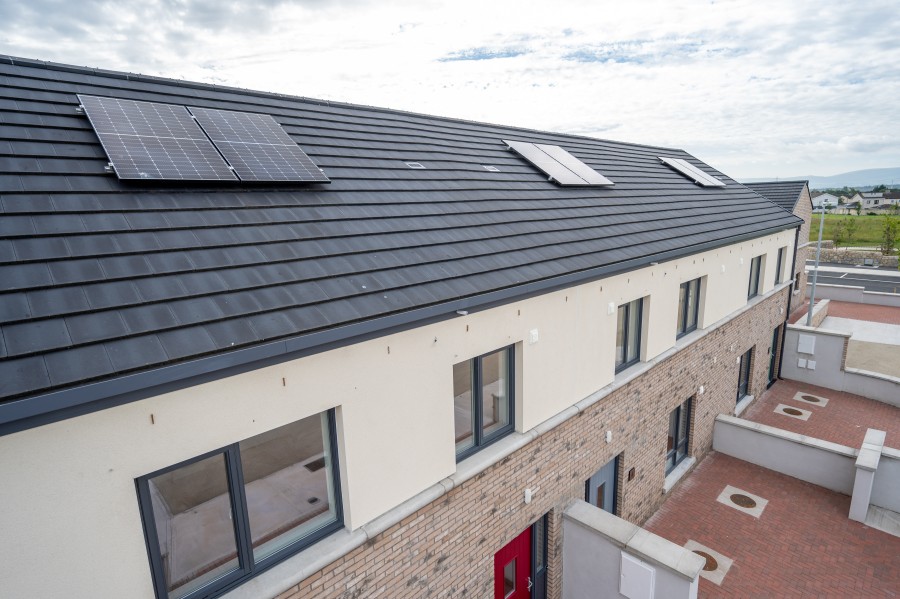
Fig 2: Solar PV on SDCC Social Housing
Section 3: Energy Saving Tips for Everyday Living
Heating Habits:
- Set the right temperature: 18-21°C is usually comfortable for most living areas. Lowering your thermostat by just 1°C can save up to 10% on heating costs!
- Programme your heating: Use the scheduler on your heat pump/thermostat to match your lifestyle. Heat your home when you're in it and reduce or turn off the temperature when you're out or asleep.
- Don't block radiators: Furniture or long curtains blocking radiators prevent heat from circulating effectively. Move any furniture away from radiators and ensure curtains don’t hang over the radiators.
- Bleed radiators: Use a radiator key annually to remove (bleed) any trapped air, to ensure it operates as efficient as possible. With heat pumps, as they are a closed loop system - the system may need to be repressurised.
- Close doors: Keep external doors closed as much as possible and keep internal doors closed to rooms you're not heating to prevent heat loss. Also, turn radiators down or off in rooms you don’t use.
Hot Water:
- Showers over baths: A 5-minute shower uses much less hot water than a bath. A regular shower only uses one fifth (20%) of the energy required for a bath.
- Use the 'Eco' setting: If your dishwasher/washing machine has an eco-setting, use it! It saves both energy and water. It also saves you considerable money over the lifetime of the appliance.
- Fix leaks: A dripping hot water tap wastes a surprising amount of energy – and an unnecessary addition to your energy bills. Repair any leaks immediately
Lighting:
- Switch off lights: Simple but effective! Always turn off lights when leaving a room. Get the whole household into this habit. Can be a great way of starting others on their journey to more sustainable living.
- Use natural light: Open curtains and blinds during the day. Arrange any desks or workstations beside windows means you’ll have less need for a lamp.
- Clean Windows: Clean your windows regularly to let the light in. You’d be surprised what a difference it can make.
- LEDs are best: Ensure to replace any bulbs with LEDs when required, as this saves money and energy. Modern LEDs emit a warm glowing light.
Appliances:
- Unplug 'vampire' devices: Standby mode still uses electricity. Fully turn off or unplug chargers, TVs, game consoles, etc., when not in use or switch them off at the wall socket.
- Full loads: Only run dishwashers and washing machines when they're full.
- Kettle wisdom: Only boil the amount of water you need. Think of how many cups of tea/coffee your kettle boils and how much time and money you will save.
- Fridge & Freezer: Don't leave the door open. Defrost regularly if it's not frost-free. Ensure there is space for air to circulate behind the unit.
- Keep a lid on it: Cover any pots with a lid while cooking, to speed up cooking, which also reduces steam and condensation indoors (reducing potential for mould on walls & ceilings). And a quicker cooking time means less energy used and less money spent.
- Batch cook: Where possible, batch cook to save time and money. Reheating a defrosted batch meal is much easier, quicker and cheaper to cook, than cooking every meal individually from scratch.
- Microwave: Is the cheapest way of cooking and the quickest.
- Oven: When using the oven avoid opening the oven door, as heat escapes, meaning a longer time to bake / roast and more expensive to run. Try to maximise baking to include other items, e.g. if baking a lasagne, could you also bake a tray of vegetables as a side or for a salad? Or perhaps some oven chips?
Ventilation & Droughts:
- Keep trickle vents open (if applicable): These tiny vents in windows are designed to provide background ventilation and should be kept open to prevent condensation and will help prevent mould on walls and ceilings.l sock
- Draughts: If you feel cold draughts around windows or doors, simple insulation strips can be very effective, as can draught excluders on the bottom of doors.
- Don't block air vents: Any vents in your home are there for a reason – do not block them.
- Drying Laundry: Hang dry your laundry outdoors whenever possible, to save on energy and prevent build-up of indoor dampness.